
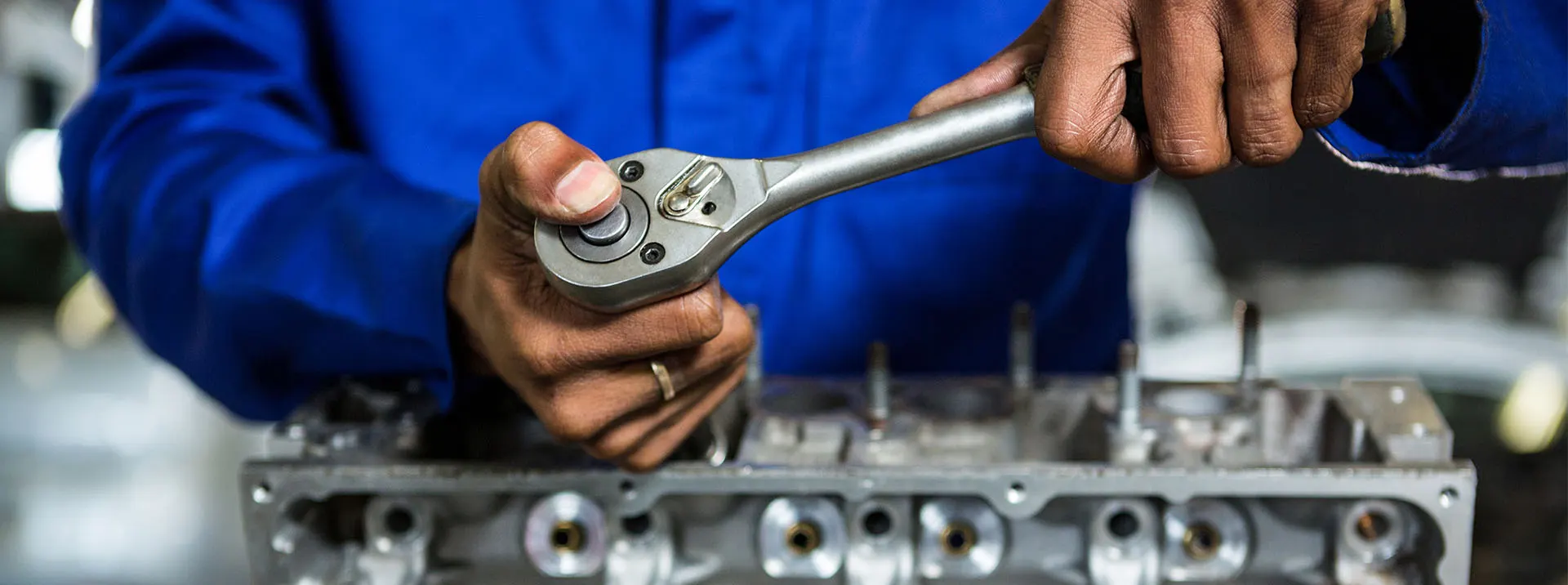
HV battery reconditioning
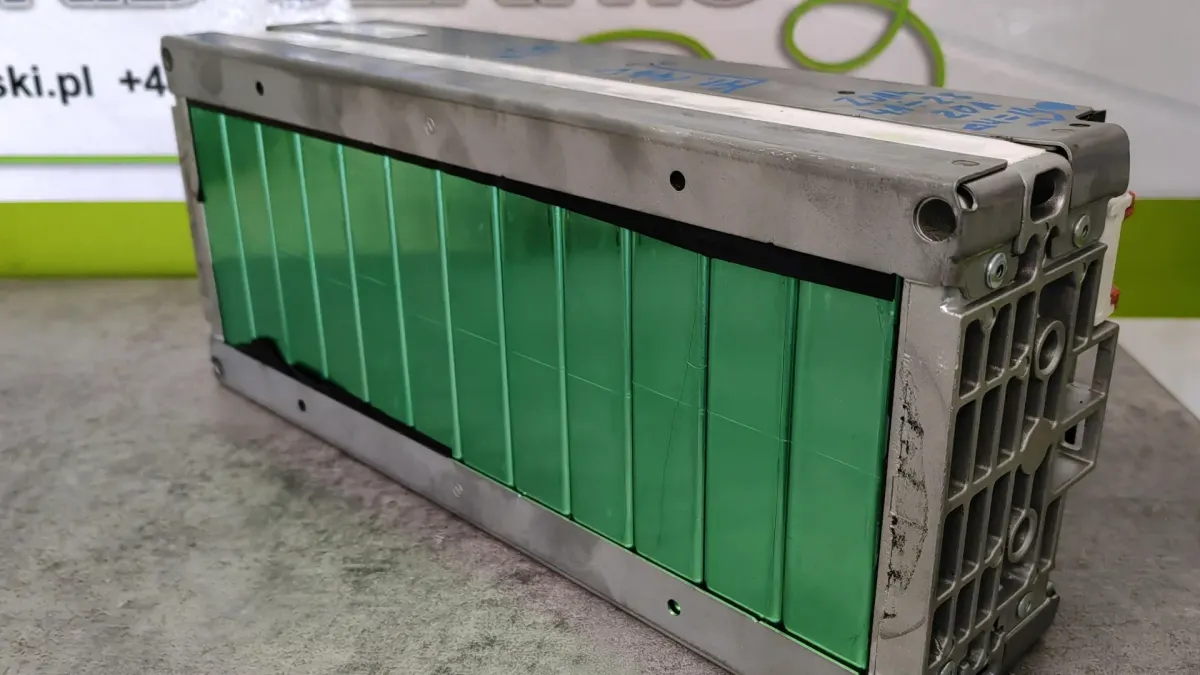
A battery is a group of electrochemical cells that enable the storage of electrical energy.
The cells degrade during charging and discharging cycles. They also age over time.
Improper use of the battery, i.e. charging, discharging or storage that does not comply with the manufacturer's recommendations, accelerates the degradation process or damages the cells that make up the battery. A very common cause of battery failure is a malfunctioning cooling system – overheating, deep discharge, moisture ingress, a short circuit in the wiring, or mechanical damage.
"Reconditioning" an HV (High Voltage) battery is a process of restoring the battery's electrical parameters by replacing damaged cells with functional ones.
The repair process also covers many other components of the high-voltage battery – including: repairing electrical connections, checking control systems, programming, and maintenance work. It depends on the design solutions used and the different types of cells involved (chemical composition, capacity, current output, cell shape, type of connections). Vehicle manufacturers and battery designers keep introducing newer solutions, which creates challenges in finding suitable repair technologies.
In plug-in hybrid and electric vehicles, the basic symptoms of a fault are:
- The vehicle cannot be started
- The vehicle's on-board computer reports errors, indicating that the battery needs replacing or is not working correctly
- Fuel consumption starts to increase (hybrid vehicles)
- Electric assist operating time becomes shorter, or the vehicle's range decreases
Using a battery that generates faults can result in the vehicle becoming immobilised or other components being damaged.
The service life of high-voltage batteries depends on many factors – vehicle manufacturers estimate correct operation of this unit for around 10 years.
Thanks to our work, we can extend the service life of the battery and restore its correct operation.
A fundamental part of the reconditioning process is diagnostics at the level of the whole battery as well as individual cells or packs.
In the battery, the sensors, electrical connectors, cooling systems, relays, control electronics, voltage monitors and housing are all inspected.
Testing the cells or cell packs involves measuring voltage, internal resistance, capacity and current output.
In the diagnostic process, each cell or pack is given an individual current-voltage characteristic. Cell testing is carried out under conditions similar to those the cells must operate in within the vehicle. Based on the measurement results, together with the customer we decide on the number of cells or packs to be replaced and determine the scope of the repair.
Correct assembly of battery components and quality control guarantee a long service life.
The final stage of the repair involves testing in the vehicle, calibrating the control units, checking the cooling system, and protecting against external factors.
We have been repairing hybrid vehicles for almost 10 years.
We have an experienced team of staff qualified to repair hybrid and electric vehicles.
We test battery cells at laboratory stations equipped with modern measuring installations.
We hold a large stock of replacement parts. Our workshop services vehicles not only for battery repairs but also carries out full computer diagnostics, air conditioning servicing and other mechanical repairs. We have a dedicated station for repairing and programming electronics.
We provide written warranties for the services carried out at our company.
All processes are carried out in an environmentally friendly way: the waste generated is recycled, and energy is sourced from renewable sources.
We share the knowledge we have gained by organising practical classes for secondary school pupils and university students.
We look forward to working with you.